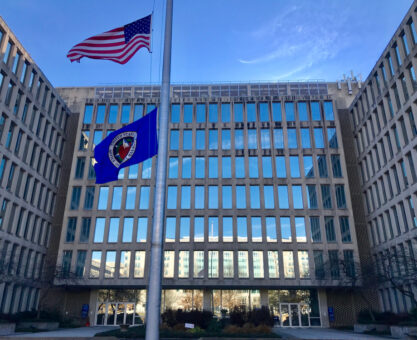



The Office of Personnel Management recently took an unusually candid look at a long-standing issue in the federal workforce: our performance management system isn’t doing what it’s supposed to do. According to OPM leadership, the current structure isn’t effectively recognizing strong performance, supporting growth, or holding agencies accountable to their mission goals. And while many federal employees work hard every day to meet expectations, the system around them isn’t built to reinforce or reward that effort.
Each year, federal employees receive performance ratings on a scale of 1 to 5. But OPM’s most recent review revealed a striking imbalance: more than 98% of federal employees were rated “fully successful” (a 3) or higher. Only a fraction of a percent received a “1” or “2.” On paper, it looks like almost everyone is meeting or exceeding expectations. In practice, this makes it difficult to distinguish strong performance from average performance, and it weakens the credibility of the entire process.
OPM points to several reasons behind this trend. In many agencies, performance standards haven’t been updated or aligned with current mission objectives. Some employees are still being evaluated against metrics that haven’t changed in years, while agency priorities have evolved significantly. In other cases, supervisors may be reluctant to issue lower ratings because navigating a performance improvement plan or removal action is time-consuming, complex, and often seen as risky. The result is inflated ratings that don’t reflect an employee’s actual contributions or an agency’s outcomes.
OPM stresses that this is a systemic problem, not an individual one. The issue isn’t that federal employees aren’t performing; it’s that the framework for evaluating performance doesn’t support meaningful feedback, clear expectations, or appropriate recognition.
To fix this, OPM says agencies need to establish clearer, measurable goals that link directly to mission outcomes and cascade down to each employee. Ratings must be better defined so that “fully successful” really means meeting expectations, and higher ratings reflect exceptional results. Regular check-ins and mid-year conversations should become standard practice rather than optional. And supervisors need simpler, more effective tools to address poor performance when it occurs.
For federal workers, meaningful reform could create a system that finally reflects the work you do; one that rewards excellence, supports growth, and strengthens accountability in a way that benefits employees, agencies, and the public you serve.