


The partial government shutdown affecting the Department of Homeland Security (DHS) began on February 14, 2026, after funding for the department lapsed at midnight on February 13. The shutdown remains in effect, as Congress is currently in recess until February 23, reducing the likelihood of immediate action unless lawmakers are recalled for a deal.
What Caused the Shutdown
The impasse stems from negotiations over reforms to immigration enforcement operations within DHS agencies, particularly U.S. Immigration and Customs Enforcement (ICE) and U.S. Customs and Border Protection (CBP). Democrats have pushed for oversight measures, such as requirements for judicial warrants, body cameras, agent identification during operations, and other accountability steps, following recent incidents involving federal officers and U.S. citizens. Republicans and the White House have resisted these demands, leading to stalled talks. A short-term funding extension was blocked, triggering the lapse.
Scope and Impact
This is a limited, partial shutdown confined to DHS (unlike broader shutdowns). Other federal agencies remain fully funded through September 2026. Key DHS components affected include:
- Transportation Security Administration (TSA)
- Federal Emergency Management Agency (FEMA)
- U.S. Coast Guard
- U.S. Secret Service
- Cybersecurity and Infrastructure Security Agency (CISA)
- ICE and CBP (operations largely continue due to separate multi-year funding from prior legislation, including the 2025 “One Big Beautiful Bill Act”)
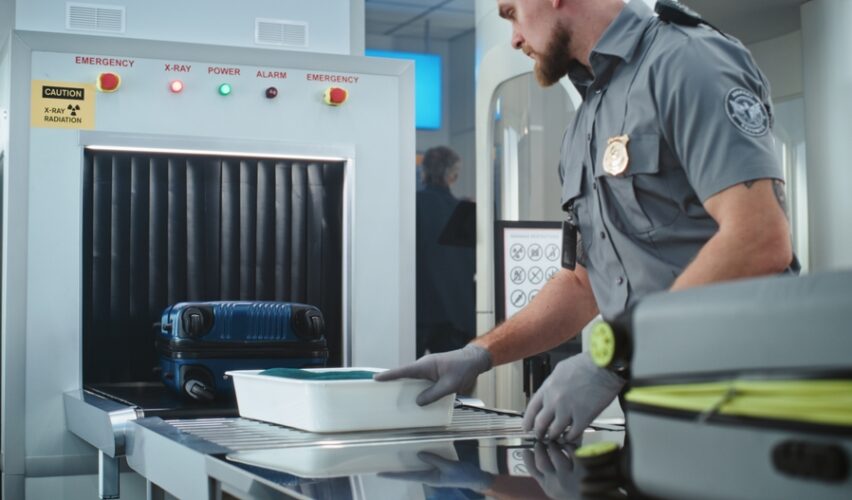
Essential operations persist with minimal immediate disruptions to the public. Airport security screening, Coast Guard activities, and most border enforcement continue normally.
Employees Affected
DHS has approximately 260,000–272,000 employees overall.
- About 90–92% (roughly 234,000–250,000) are deemed essential and must continue working without pay during the government shutdown. They will receive retroactive pay once funding is restored.
- The remaining 8–10% (around 22,000–23,000) are furloughed (temporarily sent home without pay).
For TSA specifically (about 61,000–64,000 employees):
- 95% (roughly 58,000–61,000) are essential and working unpaid.
- Around 3,000 (including the ~2,933 cited in some reports) are furloughed.
Missed paychecks could begin affecting morale and attendance, particularly at TSA, with the next scheduled payday around February 27. Prolonged issues might lead to higher absences and potential strains, like longer airport lines.
Expected Duration and Funding Compromise
There is no firm end date. Congress’s recess until February 23 means any breakthrough would likely require an early return or virtual action. Negotiations have seen little progress over the weekend, with both sides remaining firm; Democrats seeking meaningful reforms and Republicans viewing the demands as insufficient or unrelated to core funding. Some incremental proposals have been exchanged, but no compromise has emerged.
If the partial government shutdown extends significantly, pressure could build from essential workers (especially TSA) facing financial hardship, though ICE/CBP continuity reduces leverage compared to past shutdowns. Back pay is guaranteed under the law once resolved.
This situation highlights ongoing partisan divides over immigration policy and federal oversight, with potential implications for travel, disaster response, and workforce stability if it drags on.