

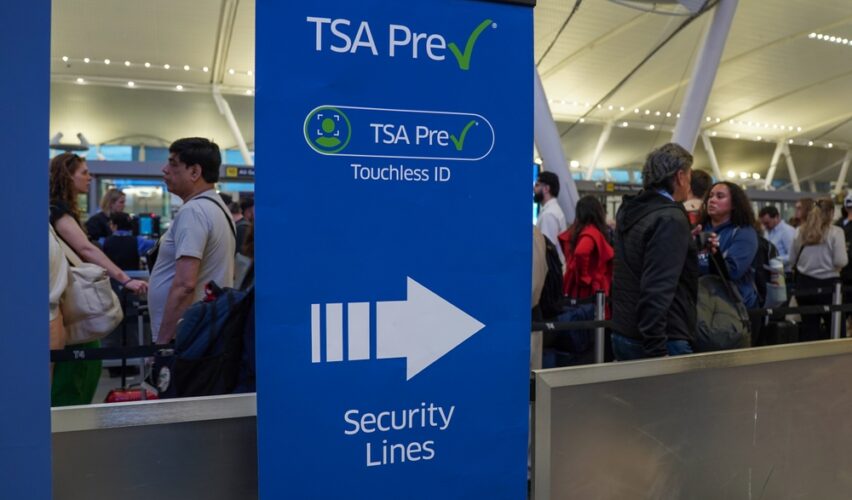
For years, TSA privatization has existed through a little-known program that allows certain airports to use private security screening companies instead of federal Transportation Security Officers (TSOs). Now, the program is expanding, and a new budget proposal has many TSA employees wondering whether more airports could eventually make the switch.
While no nationwide transition has been approved, several recent developments suggest privatized screening could play a larger role in the future.
Key Takeaways
- TSA privatization already exists through the Screening Partnership Program (SPP).
- TSA’s new Gold+ model expands the role private contractors can play while TSA continues oversight.
- The FY2027 budget proposal would expand private screening at many smaller airports, but Congress has not approved those changes.
- Current TSA employees may have options if their airport transitions, but the impact will vary by location and individual circumstances.
How TSA Privatization Works
The Screening Partnership Program (SPP) has been in place since the creation of the TSA after the September 11 attacks. Under the program, private companies employ airport screeners while TSA continues to set security standards, oversee operations, and monitor performance.
More recently, TSA introduced its Gold+ model, which gives participating airports additional flexibility by allowing private contractors to manage both screening personnel and certain screening technology under TSA oversight. Supporters say the model can improve efficiency while maintaining the same federal security requirements.
Why Employees Are Paying Attention
The Administration’s proposed FY2027 budget calls for expanding private screening at approximately 250 smaller commercial airports and shifting hundreds of millions of dollars toward the Screening Partnership Program. The proposal also reduces the size of the federal screening workforce, making many employees wonder whether additional airports could eventually transition away from federally employed TSOs.
It’s important to note that these changes are proposals, not current law. Any expansion would require congressional approval, and airports would still need to participate under TSA’s established framework.
What Could It Mean for Current Employees?
If an airport transitions to private screening, current TSA employees aren’t necessarily left without options. Existing Screening Partnership Program rules generally provide affected employees with opportunities to apply for positions with the private contractor, and some may pursue transfers within the federal government or retire if eligible.
For employees, the biggest questions often involve how a transition could affect federal employment status, retirement benefits, healthcare coverage, and long-term career opportunities.
The Bottom Line
Today, most airports continue to use federal TSA officers, and TSA privatization remains limited to a relatively small number of locations. However, with the introduction of Gold+ and the FY2027 budget proposal, the conversation is clearly evolving.
If you’re a TSA employee, now is a good time to stay informed. While no widespread changes have been finalized, understanding how the Screening Partnership Program works today can help you better prepare for any changes that may come tomorrow.
FAQ
Is TSA being privatized?
No. TSA continues to oversee aviation security nationwide. However, some airports participate in the Screening Partnership Program, where private contractors perform passenger screening under TSA supervision.
What is the TSA Gold+ program?
Gold+ is an expanded version of the Screening Partnership Program that allows participating airports greater use of private contractors while TSA maintains regulatory oversight.
Will all TSA employees become private employees?
No. Most airports are still staffed by federal TSA officers, and no nationwide privatization has been enacted.
Could more airports join the program?
Possibly. The Administration’s FY2027 budget proposes expanding private screening at many smaller airports, but those proposals must still be considered and approved by Congress before taking effect.