


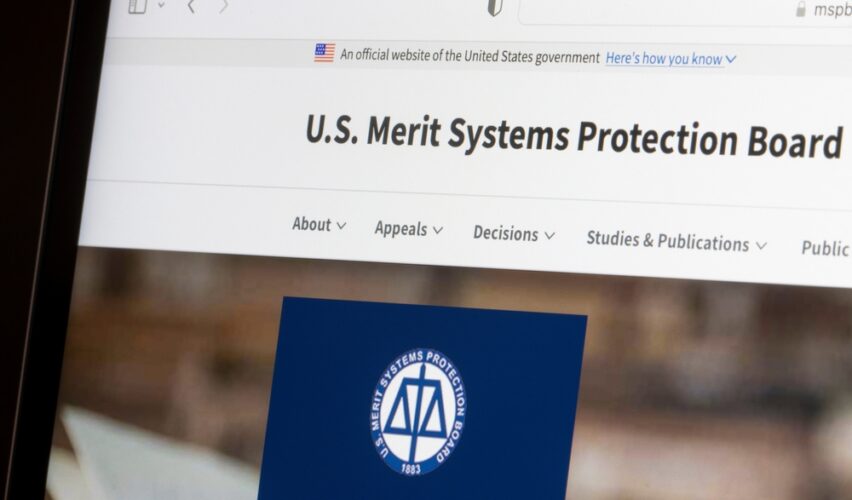
The long-standing system that federal employees use to appeal adverse personnel actions may soon undergo a significant overhaul. Under proposed rules from the Office of Personnel Management (OPM), many appeals that have traditionally gone before the Merit Systems Protection Board (MSPB) could instead be handled by OPM’s internal review office.
These changes would primarily affect appeals related to reductions in force (RIFs), suitability determinations, and certain other adverse actions. If implemented, they would mark one of the most substantial shifts in federal employment protections in years.
How the Current System Works
For decades, federal employees facing actions such as furloughs over 30 days, demotions, separations, or suitability terminations have generally had the right to appeal to MSPB. MSPB is an independent, quasi-judicial body designed to provide neutral oversight of federal employment disputes. Its process often includes formal filings, hearings before an administrative judge, and multiple levels of review.
While this independence has been a cornerstone of federal employee protections, MSPB proceedings can be lengthy and complex, sometimes taking months or longer to resolve.
What the Proposed Changes Would Do
Under the proposed rules, many appeals, particularly RIF-related appeals and suitability actions, would no longer be heard by MSPB. Instead, they would be reviewed by OPM’s Office of Merit System Accountability and Compliance (MSAC).
OPM says the goal is to streamline the appeals process, reduce administrative burdens, and deliver faster decisions. The new system would be more administrative in nature, with fewer procedural steps than a traditional MSPB appeal.
What Stays the Same
OPM emphasizes that key protections would remain intact, including:
- Merit-based hiring and employment principles
- Veterans’ preference
- Prohibitions against political discrimination and other prohibited personnel practices
- Existing RIF rules and collective bargaining rights
Agencies would still be required to follow federal personnel laws, even as the appeals venue changes.
Concerns from Employee Advocates
Unions and employee advocates have raised concerns about shifting appeals away from MSPB. The primary issue is loss of independent oversight, since OPM both sets federal personnel policy and would now adjudicate certain disputes. Critics worry this could weaken due-process protections and create potential conflicts of interest.
Others argue that a streamlined process may reduce employees’ ability to fully challenge agency actions, particularly in complex RIF or suitability cases.
What Federal Employees Should Know
If finalized, employees facing covered adverse actions would need to navigate a new appeals pathway through OPM rather than MSPB. While decisions may come faster, the process and the level of procedural protection could look very different. As agencies prepare for potential implementation, federal employees should stay informed, review their rights carefully, and understand how these changes could affect future employment actions.