


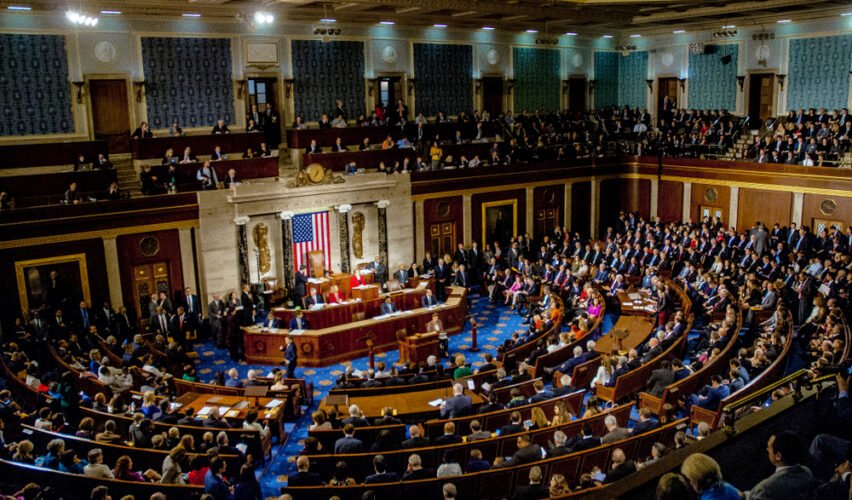
A bipartisan Senate proposal introduced this month would fundamentally change what happens when Congress misses a funding deadline, replacing a government shutdown with automatic, temporary funding while lawmakers finish their work. If it passes, federal employees would never again face furloughs, missed paychecks, or the kind of disruption that defined last fall.
What Just Happened, By the Numbers
The most recent shutdown, which ran from October 1 through November 12, 2025, was the longest in U.S. history at 43 days, surpassing the previous record of 35 days set during the 2018–2019 shutdown.
The cost wasn’t small, either:
- The Congressional Budget Office estimated the shutdown permanently erased between $7 billion and $14 billion in economic output, even after accounting for the bounce-back once government spending resumed.
- Real GDP growth for the fourth quarter of 2025 came in 1 to 2 percentage points lower than it otherwise would have, depending on the exact length assumed.
- More than a million federal employees went without pay for weeks, with many relying on savings, side work, or assistance programs to bridge the gap until back pay arrived.
- The travel industry alone lost an estimated $2.6 billion, as flight delays and cancellations piled up amid air traffic control staffing strain.
For context on how unusual this was: since 1977, the government has missed a funding deadline 20 separate times, with an average shutdown length of just 8 days. Last fall’s shutdown ran more than five times longer than that average.
What the New Bill Would Actually Do
The proposal would shift the consequence of a missed funding deadline away from federal employees and onto Congress itself. Instead of agencies losing funding and furloughing staff, the bill would trigger automatic, temporary continued funding, keeping agencies open and paychecks flowing while lawmakers stay in session specifically to finish the appropriations process.
The idea isn’t new (versions of “automatic continuing resolution” proposals have circulated in Congress before), but the scale and cost of last fall’s shutdown has renewed bipartisan interest in actually passing something like it.
Why This Matters Even If You Weren’t Directly Furloughed
Even federal employees who kept working through the government shutdown (as “excepted” staff) went without pay for weeks, and the disruption rippled outward, delayed services, backlogged retirement applications, and broader economic drag that touched contractors, travelers, and local economies near federal hubs.
Whether this specific bill becomes law is far from certain; plenty of past government shutdown-prevention proposals have stalled in Congress. But it’s worth watching, since it directly addresses the mechanism that made last fall’s shutdown possible in the first place.